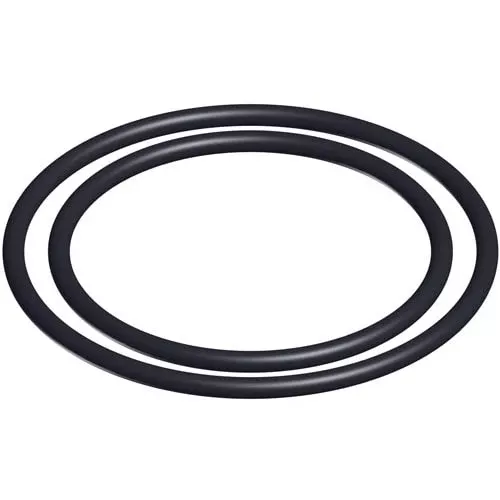
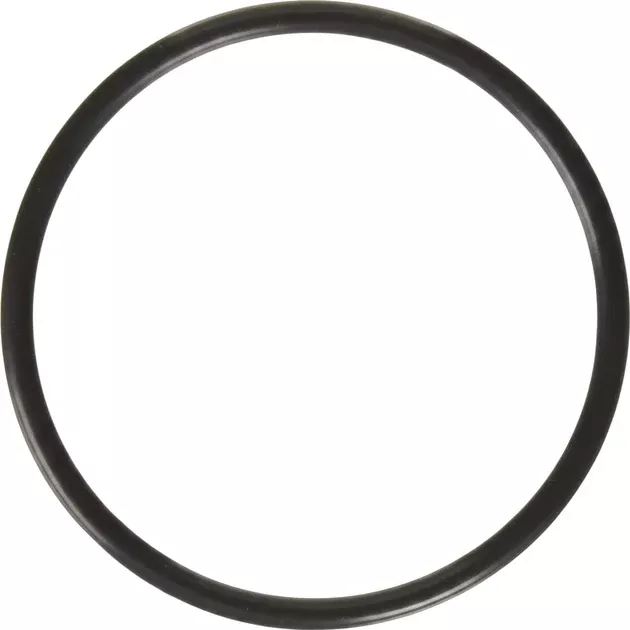
Hayward Cover O-Ring (Viton) for Automatic Chlorine Feeders CL100 CL110 CL110ABG | CLX110K
Original price was: $31.19.$20.46Current price is: $20.46.
62 in stock
Description
The Hayward Cover O-Ring in Viton (CLX110K) is the OEM replacement lid seal for Hayward Automatic Chlorine Feeders, maintaining a watertight closure at the feeder cover to prevent chemical leaks and maintain proper internal pressure during operation.
IMPORTANT: LUBRICATION REQUIRED — SOLD SEPARATELY
Always lubricate this O-ring with a silicone-based lubricant before installation to ensure a proper seal and prevent premature degradation. Browse our Pool Plumbing Lubricants for a compatible silicone lubricant.
This Viton O-ring seats in the cover groove of the chlorine feeder, creating a chemical-resistant seal that keeps chlorinated water contained within the feeder body. Viton material provides superior resistance to the harsh oxidizing environment inside a chlorinator compared to standard EPDM rubber, making it the appropriate choice for this application.
Specifications
| Hayward Part Number | CLX110K |
| Material | Viton |
| Quantity Included | 1 |
| UPC | 610377003438 |
Fits Into
| Brand | Equipment Line | Model / Part Number | Notes |
| Hayward | Automatic Chlorine Feeder, 15.75″, In-Line | CL100 | Position: Cover O-Ring |
| Hayward | Automatic Chlorine Feeder, 13″, Off-Line | CL110 | Position: Cover O-Ring |
| Hayward | Automatic Chlorine Feeder, 4.2 lbs, Off-Line (ABG) | CL110ABG | Position: Cover O-Ring |
Compatibility is based on Hayward parts documentation and available OEM records. This is not an exhaustive list. For certainty, verify the part number in your equipment’s manual or on the original part itself before ordering.
Poolaroo Pro Tip
When replacing this O-ring, clean the cover groove thoroughly to remove any chemical residue or old lubricant before seating the new seal. Apply a thin, even coat of silicone-based lubricant — never petroleum-based products, which degrade Viton — to the O-ring before closing the feeder cover. Browse our Pool Plumbing Lubricants for a compatible option. Inspect this O-ring at the start of each season; a worn or flattened seal is the most common cause of chemical leaks at the feeder lid.
Related products
-
- Sale!
- Accessories, Equipment
PRO BRUSH F/ PEBBLE POOLS
- Original price was: $53.48.$35.44Current price is: $35.44.
- Add to cart
-
- Sale!
- Accessories, Equipment
POOL-TITE BLUE GLUE
- Original price was: $11.36.$8.93Current price is: $8.93.
- Add to cart
-
- Sale!
- Equipment
Hayward Heavy Duty Clamp for ProSeries Sand Filters W3S210S W3S310S | SX310N
- Original price was: $71.19.$43.70Current price is: $43.70.
- Add to cart
-
- Sale!
- Equipment
Hayward Cartridge Element for StarClear Plus Cartridge Filter | CX1750RE
- Original price was: $186.39.$114.32Current price is: $114.32.
- Add to cart
-
- Sale!
- Equipment
Hayward Silicon Nitride Ignitor for Hayward Gas Heaters | IDXL2IGN1930
- Original price was: $121.59.$87.20Current price is: $87.20.
- Add to cart
-
- Sale!
- Equipment
Hayward Filter Element Locator for ProGrid DE Filters W3DE3620 W3DE4820 W3DE6020 | DEX2400H
- Original price was: $63.99.$42.18Current price is: $42.18.
- Add to cart
-
- Sale!
- Equipment
Hayward O-Ring Kit (Set of 2) for SwimClear Cartridge Filters and ProGrid DE Filters | DEX2420Z8A
- Original price was: $39.99.$21.22Current price is: $21.22.
- Add to cart
-
- Sale!
- Accessories, Equipment
WOVEN FIBER BACKWASH HOSE
- Original price was: $240.12.$186.54Current price is: $186.54.
- Add to cart